
Simcoe Veterinary Hospital is Now Accepting New Clients!
Don’t forget your pet’s parasite prevention—order online through our webstore to keep them protected year-round.
Barrie, Ontario
Veterinary Care in Barrie, Ontario
At Simcoe Veterinary Hospital, we are dedicated to providing exceptional veterinary care for pets in Barrie, Ontario, and the surrounding areas. As an AAHA-accredited animal hospital, we uphold the highest standards in veterinary medicine, ensuring your pet receives top-quality care in a compassionate and welcoming environment.
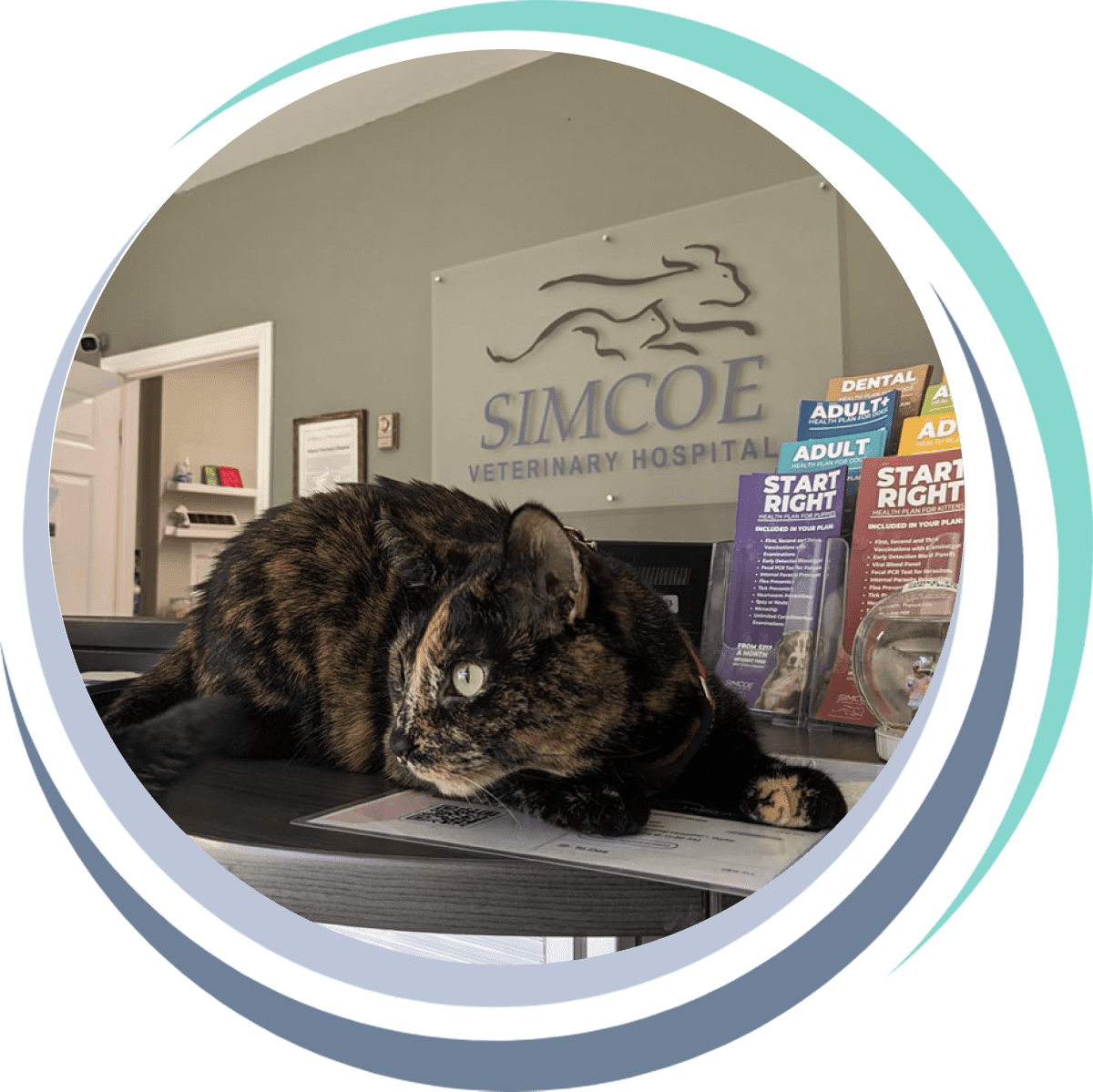

About Simcoe Veterinary Hospital
We have been serving the Barrie community for decades, offering comprehensive veterinary services for pets at every stage of life. Our experienced veterinarians and dedicated support staff use state-of-the-art technology and advanced medical techniques to keep your pets happy and healthy.
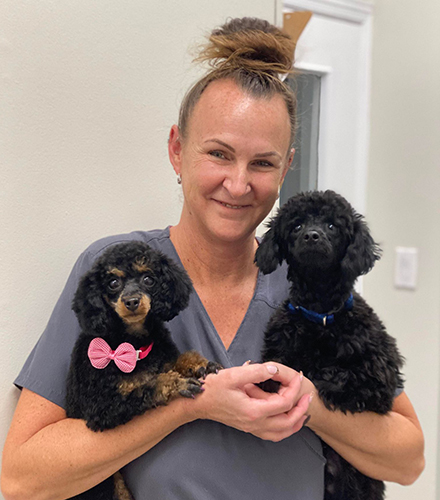

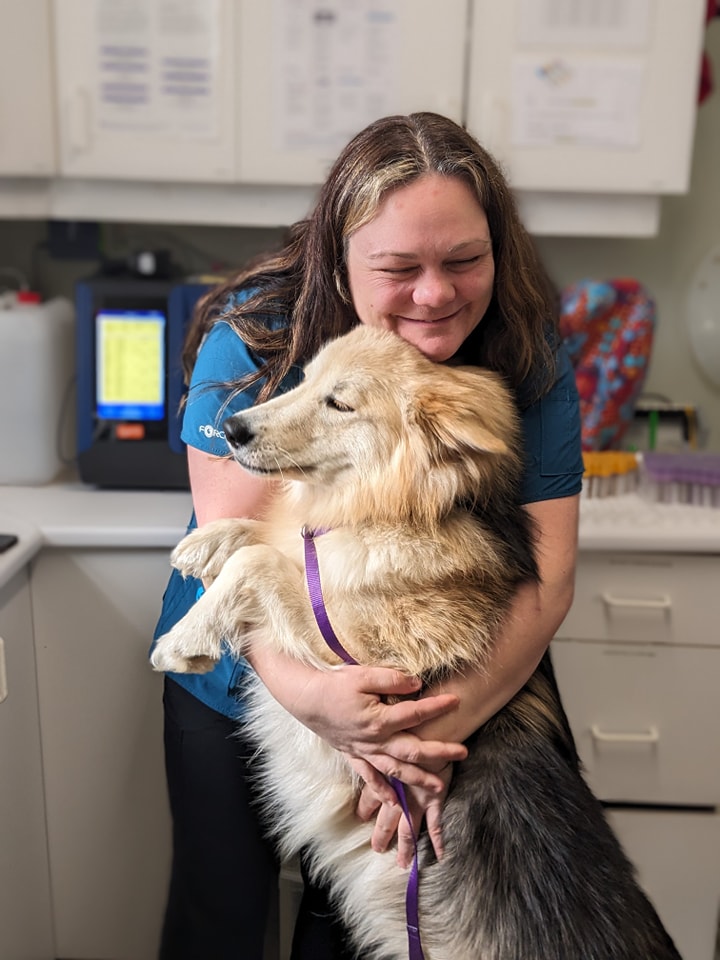
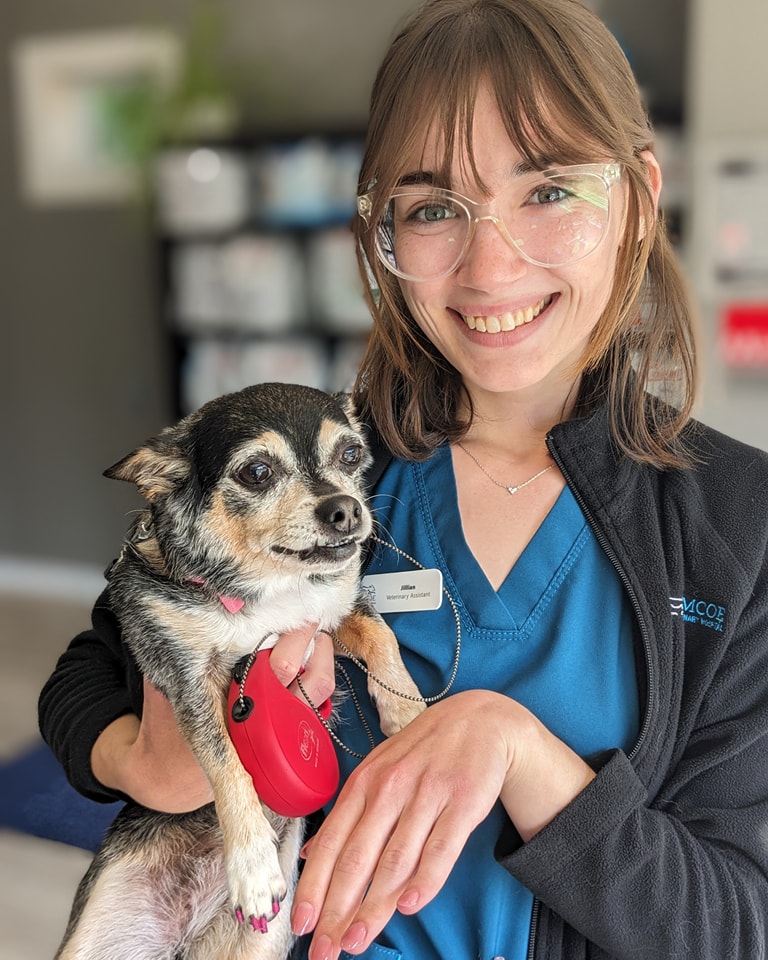
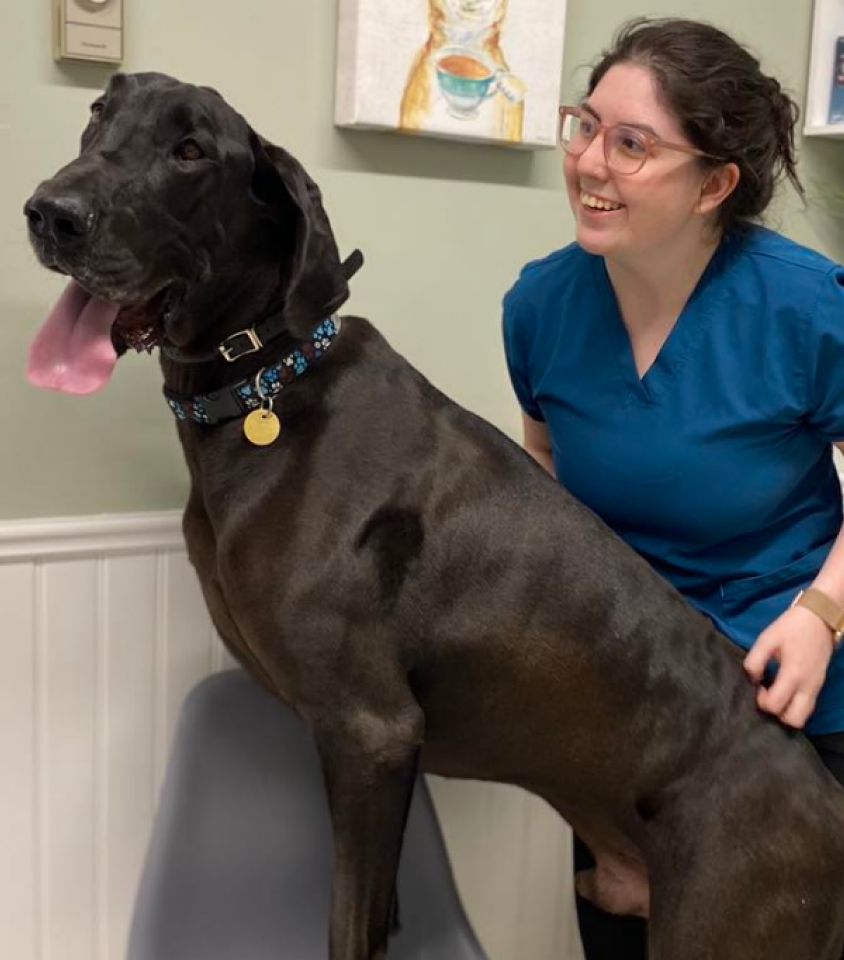
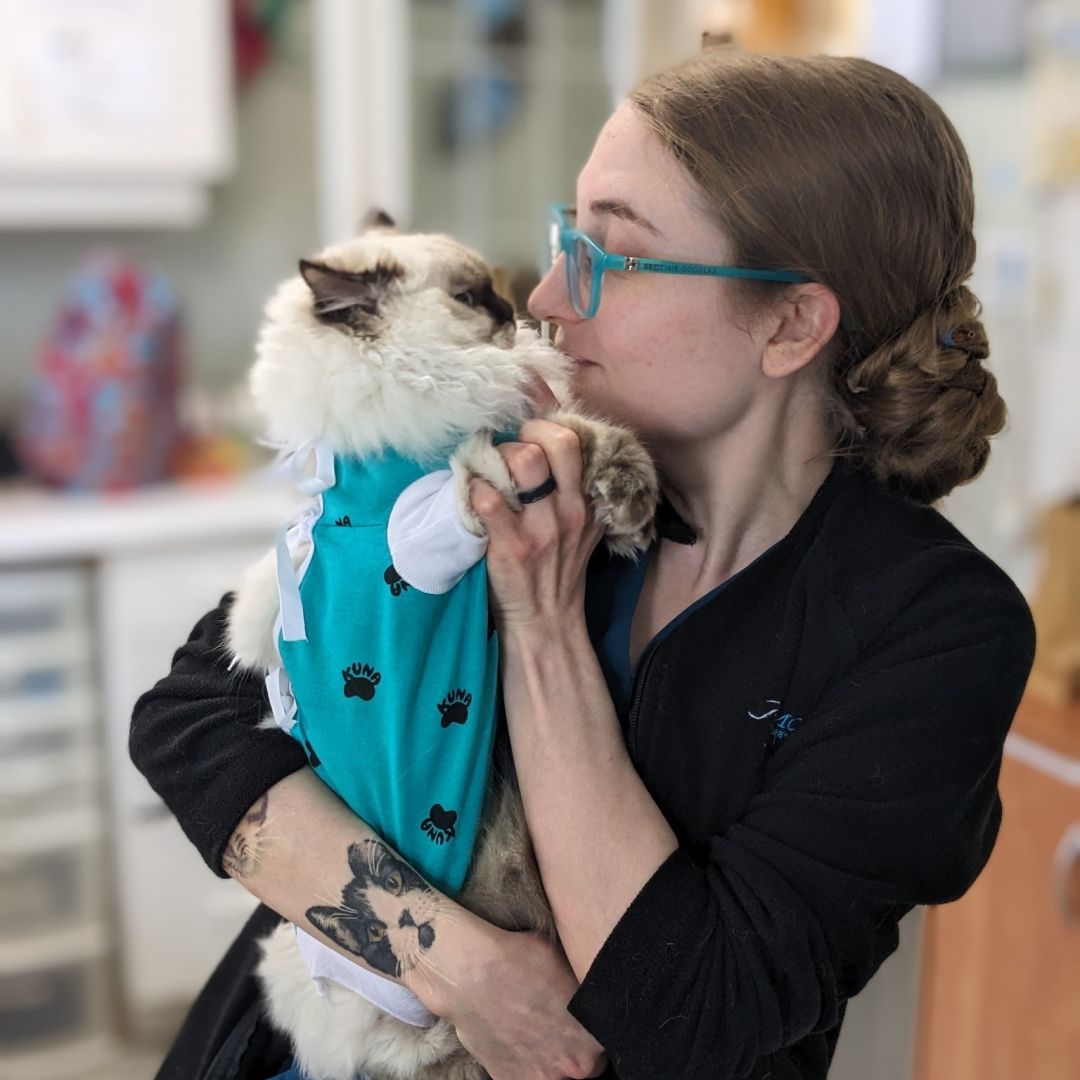
Simcoe Veterinary Hospital Team
Our team of experienced veterinarians and skilled veterinary professionals are passionate about providing the highest level of care for your pet.
AAHA Accredited Animal Hospital
in Barrie, ON
We proudly go beyond industry standards to deliver
the highest level of care for your pet.
Complete Veterinary Care in Barrie, ON
We offer a full range of veterinary services, including preventive care, diagnostics, surgery, and specialized treatments to keep your pet healthy.

Pet Preventative
Routine check-ups, vaccinations, and wellness exams help ensure a long, healthy life for your pet.

Pet Surgery & Dental
We provide safe, advanced surgical procedures and comprehensive dental care to maintain your pet’s overall health.

Pet Health Plans
We offer customized pet health plans to help make routine veterinary care more affordable and accessible.